
If you’ve ever felt the room spinning, experienced sudden dizziness when turning your head, or felt unsteady walking through a crowded space, you know how unsettling balance issues can be.
You might avoid movement. You might move more slowly. You might worry about falling.
The good news? Many balance disorders are highly treatable — and vestibular rehabilitation therapy is specifically designed to help.
What Is the Vestibular System?
Your vestibular system is located in your inner ear. It works with your eyes and muscles to help your brain understand:
- Where your head is positioned
- How fast you’re moving
- Whether you’re upright or tilted
- How to keep your vision steady during movement
When this system isn’t functioning properly, it can disrupt your sense of balance and spatial awareness.
Common Symptoms of Vestibular Dysfunction
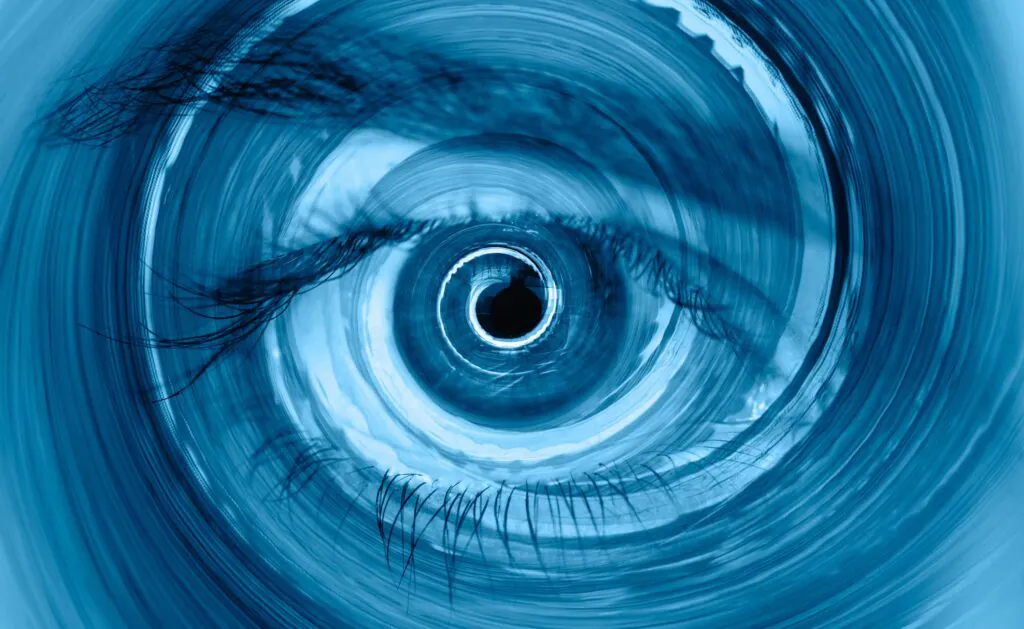
Vestibular issues can feel different for everyone, but common symptoms include:
- Vertigo (a spinning sensation)
- Dizziness with head movement
- Blurred vision when walking
- Feeling “off balance” or unsteady
- Nausea triggered by motion
- Increased fall risk
These symptoms can be brief and positional — or persistent and disruptive.
Why Avoiding Movement Isn’t the Answer
When dizziness strikes, the natural instinct is often to limit movement. While rest can be appropriate in some cases, long-term avoidance can actually slow recovery.
Your brain has an incredible ability to adapt. Vestibular rehabilitation uses specific exercises to help retrain how your brain processes balance signals.
This process is called central compensation — and it’s a key part of recovery.
What Is Vestibular Rehabilitation Therapy (VRT)?
Vestibular Rehabilitation Therapy (VRT) is a specialized form of physical therapy that targets dizziness, balance disorders, and fall risk.
At MOTION, treatment plans are individualized, but often include:
Gaze Stabilization Exercises
These exercises retrain the connection between your eyes and inner ear so your vision stays clear when your head moves.
Habituation Exercises
Repeated, controlled exposure to movements that trigger symptoms can help reduce motion sensitivity over time.
Balance Retraining
Progressive balance exercises improve stability on different surfaces and in varied environments.
Gait & Functional Training
We focus on real-life tasks (like walking in busy environments, turning quickly, navigating stairs) so improvements carry into daily life.
Who Can Benefit from Vestibular Therapy?
Vestibular rehabilitation may help people experiencing:
- Benign Paroxysmal Positional Vertigo (BPPV)
- Post-concussion dizziness
- Inner ear infections
- Age-related balance decline
- Unexplained persistent dizziness
- Frequent falls or fear of falling
Even if symptoms have been present for months, improvement is still possible.
The Connection Between Vestibular Health and Fall Prevention
Balance is not just about comfort — it’s about safety.
Unaddressed vestibular dysfunction increases fall risk, particularly in older adults. Falls can lead to injury, loss of independence, and reduced confidence.
The encouraging part? Balance is trainable.
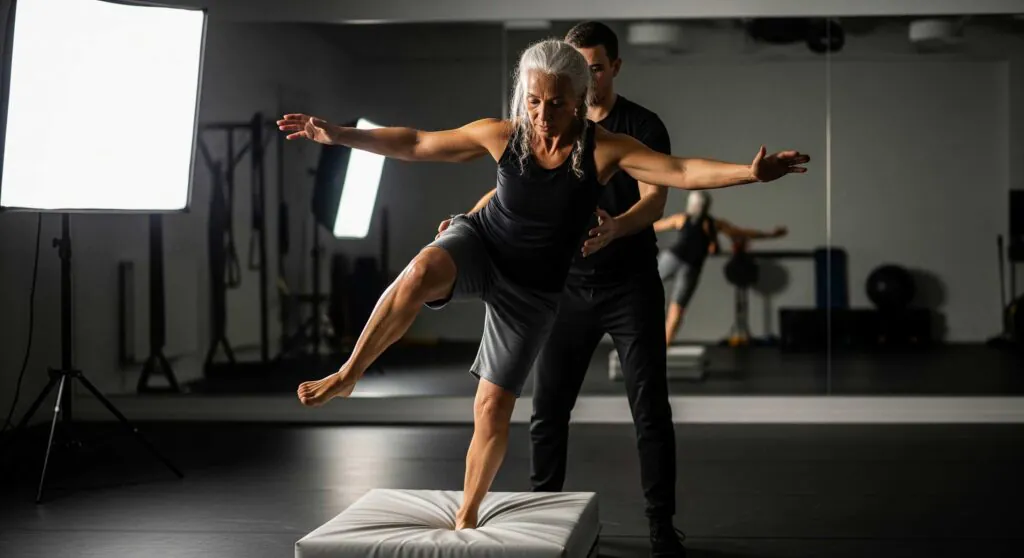
With guided therapy, many patients experience:
- Improved steadiness
- Reduced dizziness episodes
- Greater confidence walking
- Decreased fear of falling
What to Expect During an Evaluation
If you come in for a vestibular evaluation, your therapist may:
- Assess eye and head movement coordination
- Evaluate balance in different positions
- Analyze walking patterns
- Ask about symptom triggers
- Perform positional testing if appropriate
From there, we build a personalized plan that progresses safely and at a pace your body can tolerate.
You Don’t Have to “Live With” Dizziness
Dizziness and balance issues are common — but they are not something you simply have to accept.
If you feel unsteady, avoid certain movements, or worry about falling, a vestibular evaluation may help identify the cause and guide treatment.
At MOTION, we’re here to help you move with confidence — safely, progressively, and with support.
If you have questions about dizziness or balance, contact your local MOTION clinic to schedule an evaluation.