Recovering from an injury or surgery doesn’t mean strength training has to stop. For many patients, lifting heavy weights isn’t safe—or possible—during early rehab. That’s where Blood Flow Restriction (BFR) Training comes in.
BFR is an advanced rehabilitation technique used by physical therapists to help patients build strength and muscle while using significantly lighter loads, making it a powerful tool for recovery and return to activity.
What Is Blood Flow Restriction Training?
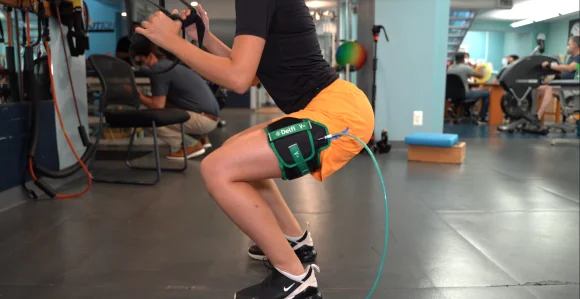
Blood Flow Restriction Training involves the use of a specialized cuff placed around the arm or leg. The cuff gently limits blood flow returning from the muscle while allowing blood to flow into the area.
This controlled restriction causes the muscles to work harder—even with light resistance—creating a training effect similar to lifting heavier weights, but with far less stress on joints and healing tissues.
Why Use BFR in Physical Therapy?
Traditional strength training often requires heavy loads to build muscle. During injury recovery, that kind of stress can slow healing or increase pain.
BFR allows patients to:
- Build muscle strength and size using lighter weights
- Reduce joint stress during exercise
- Improve endurance and circulation
- Train safely during early stages of rehab
Because of these benefits, BFR is commonly used when heavy lifting isn’t recommended.
Who Can Benefit From BFR Training?
Blood Flow Restriction Training may be beneficial for:
- Post-surgical patients
- Individuals recovering from sports injuries
- Patients with joint pain or arthritis
- Athletes returning to play
- Anyone unable to tolerate heavy resistance
Your physical therapist will determine if BFR is appropriate based on your condition, goals, and medical history.
Is BFR Training Safe?
When performed by a trained physical therapist, BFR is considered safe and effective. At MOTION, therapists use clinical-grade equipment and carefully monitor pressure, exercise selection, and patient response throughout each session.
BFR should never be attempted without professional guidance. Proper screening and supervision are essential for safe outcomes.
How BFR Helps You Return to Sport and Activity
One of the biggest advantages of BFR training is its ability to bridge the gap between early rehab and full return to activity.
By building strength earlier in the recovery process, patients can:
- Maintain muscle mass during periods of limited loading
- Progress more confidently through rehab
- Return to sport or exercise with better strength and control
This can help shorten recovery timelines and improve long-term outcomes.
Strength That Supports Healing
Blood Flow Restriction Training offers a smart, effective way to build strength without overloading the body. When used as part of a personalized physical therapy plan, it helps patients move forward safely without unnecessary stress on joints or healing tissues.
If you’re curious whether BFR training is right for you, talk to your MOTION physical therapist. We’re here to help you move stronger, smarter, and with confidence.
Keep your recovery and your goals in MOTION.