
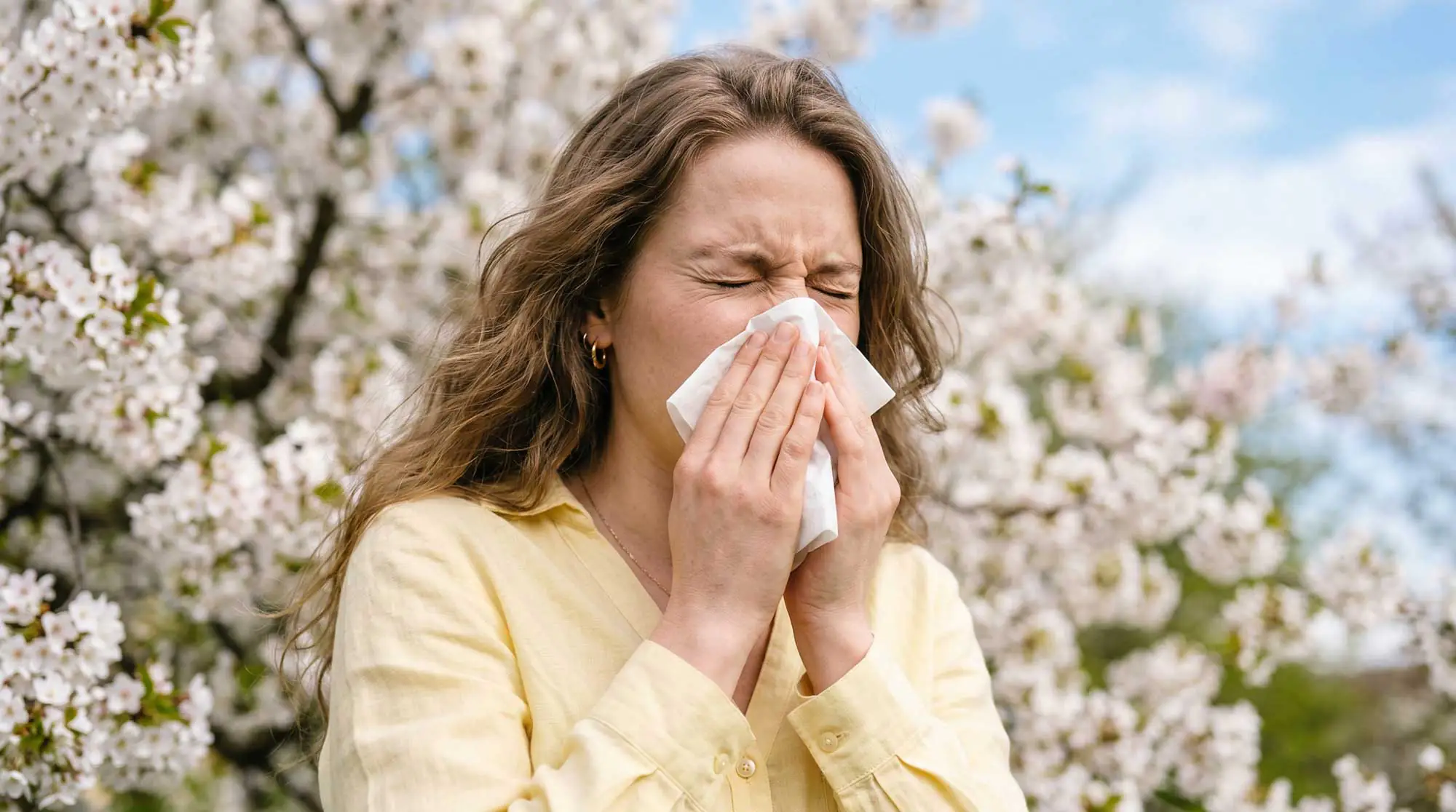
Spring should feel like a reset—more daylight, more movement, more time outdoors. But for many people, it comes with an unexpected tradeoff: increased joint stiffness, aches, and fatigue right alongside seasonal allergies.
If that sounds familiar, you’re not imagining it.
At MOTION, we regularly see patients who notice their joints feel worse during allergy season. The connection isn’t always straightforward—but there are clear, science-backed reasons why your body may feel different this time of year.
The Real Link: It’s About Inflammation (and Everything That Comes With It)
Seasonal allergies trigger an immune response. When your body encounters allergens like pollen, it releases chemicals like histamines to defend itself. That response can create system-wide inflammation, which may contribute to increased discomfort in muscles and joints.
But here’s the important nuance:
Allergies don’t directly “cause” joint pain in most cases. Instead, they amplify underlying issues—especially if you already deal with arthritis, prior injuries, or general stiffness.
In other words, allergy season can turn the volume up on problems that were already there.
Why Your Body Feels Worse During Allergy Season
It’s not just one factor—it’s a combination:
- Increased inflammatory load
Your immune system is working overtime, which can heighten sensitivity in joints and surrounding tissues. - Fluid shifts and stiffness
Some people experience mild swelling or a “tight” feeling in joints, especially in the morning or after inactivity. - Fatigue changes everything
Allergies can disrupt sleep and drain energy. When you’re fatigued, movement decreases—and pain perception increases. - Spring weather swings
Rapid changes in temperature, humidity, and barometric pressure can also make joints feel more stiff or reactive.
What Actually Helps (and What Doesn’t)
This is where physical therapy can play a critical role—not by treating allergies, but by keeping your body resilient despite them.
What works:
- Keep moving (even when you don’t feel like it)
- Gentle, consistent movement improves circulation and helps regulate inflammation.
- Prioritize mobility over intensity
- This is not the season to “push through.” It’s the season to stay loose, mobile, and consistent.
- Address compensations early
Congestion, fatigue, and posture changes can subtly alter how you move—leading to neck, back, or joint strain.
Support recovery
Sleep, hydration, and stress management matter more than people think during allergy season.
When to Pay Closer Attention
If your joint pain is:
- New or worsening significantly
- Persisting beyond allergy season
- Limiting your daily activity
…it’s worth getting evaluated. Not everything should be written off as “just allergies.”
Seasonal allergies may not be the direct cause of your joint pain—but they can absolutely make your body feel worse.
The key isn’t to wait it out. It’s to stay ahead of it.
With the right movement strategy and a proactive approach, you can keep your joints moving well—no matter what’s in the air.