
Bell’s Palsy TreatmentPhysical Therapy to Restore Facial Movement
Bell's palsy is a condition that results in sudden weakness of the muscles on one side of the face. This weakness is often temporary and typically improves over a few weeks. As a result, one side of the face may appear to droop, making smiles look one-sided, and the eye on the affected side may be difficult to close. Bell's palsy can impact facial movement, eye closure, speech, eating, and overall comfort. Bell’s palsy treatment through physical therapy can be an important part of recovery, helping to restore facial function.
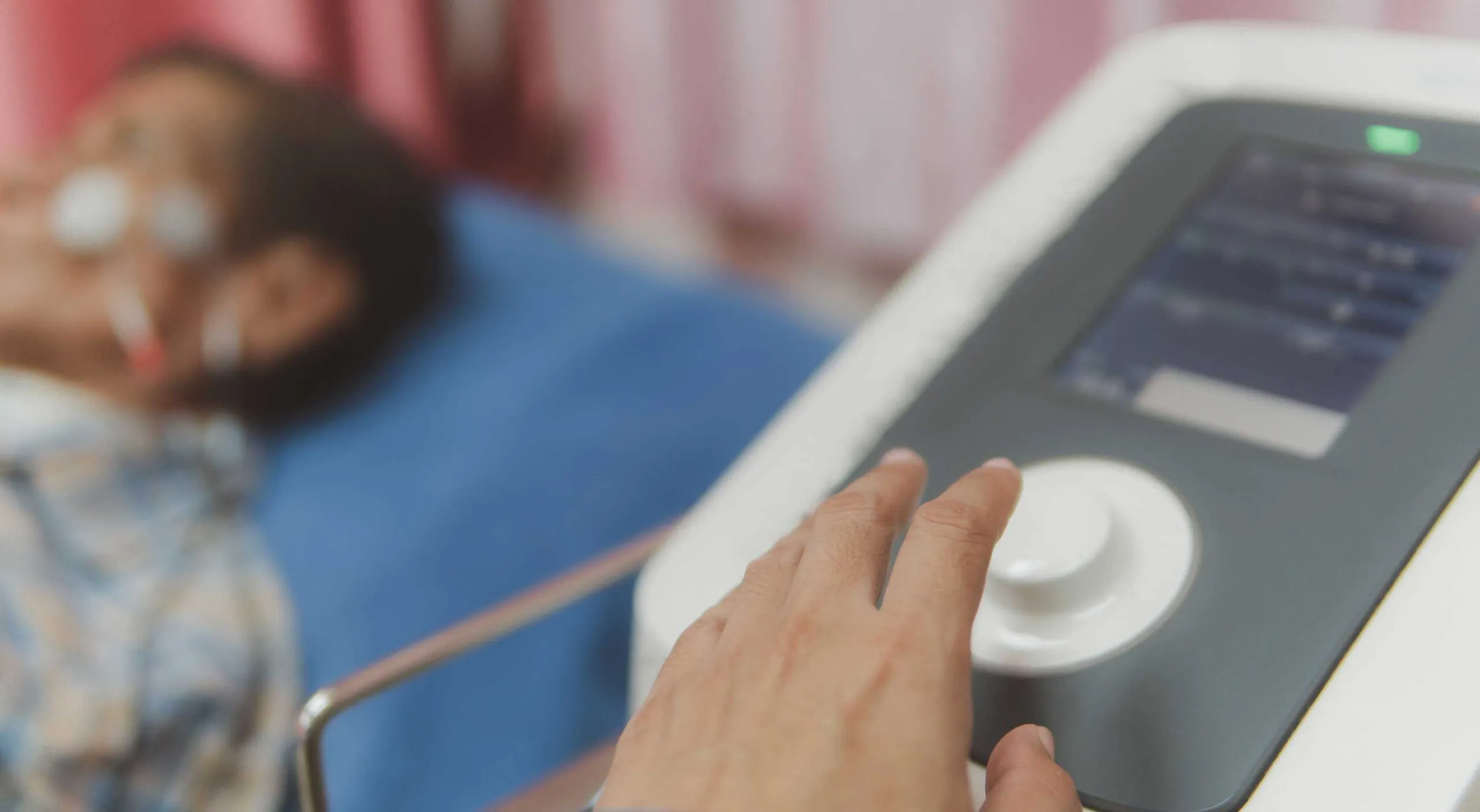
At MOTION, our physical therapists work with patients experiencing Bell’s palsy to address facial weakness, muscle imbalance, and movement coordination. Your physical therapist will take time to understand your symptoms, how they impact daily activities, and where support is needed most. Together, you’ll create a personalized plan focused on promoting nerve recovery, improving muscle control, and reducing discomfort.
What MOTION Can Do - Bell's Palsy Symptoms We Treat
Bell’s palsy can present differently for each individual, leading to a variety of symptoms and experiences. Therapy for Bell’s palsy is one of the most effective ways to manage these symptoms. Physical therapy can help improve:
- Facial weakness or asymmetry
- Difficulty with facial expressions, speaking, or eating
- Eye closure challenges or dryness
- Muscle tightness or discomfort in the face or jaw
What to Expect in Your Treatment
Your physical therapist will perform a detailed assessment of facial movement, muscle activation, posture, and neck mobility to identify contributing factors and guide treatment.
Your plan of care may include:
- Bell’s palsy exercises - including gentle facial movements to improve muscle activation and coordination
- Manual therapy to address muscle tension in the face, jaw, and neck
- Neuromuscular re-education to support balanced facial movement
- Education on home exercises, eye care strategies, and symptom management
- Guidance on posture and daily habits that may influence recovery
Throughout your care, your physical therapist will monitor progress and adjust treatment as your facial strength and control improve. Our goal is to support healing, restore functional movement, and help you feel confident in your recovery.
MOTION proudly serves Bell's palsy patients across Connecticut, Maryland, Massachusetts, and New York. Ready to start your recovery? Request an appointment today.